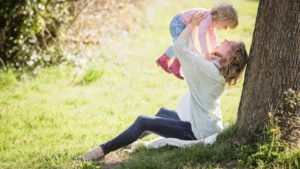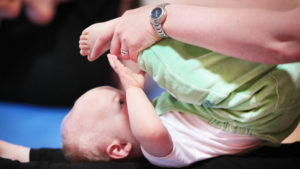
Jiggles & cuddles help babies grow Baby Yoga is an ideal practice for creating the balance between stimulation and calm that helps babies grow. Finding Read more
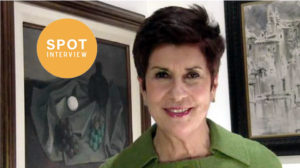
Spot interview with Dr Stella Acquarone, founder of the Parent-Infant Centre www.infantmentalhealth.com. Stella Acquarone’s pioneering work with parents and infants is relevant to all that Read more
Francoise Freedman, founder and director of Birthlight, will be a keynote speaker at the upcoming "Birthing the New Humanity" conference. The organisers say ... At Read more
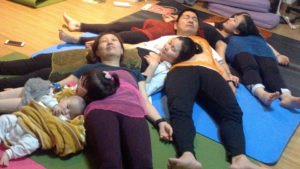
‘Don’t you miss that ‘sleep’ at the end of class!?’ Vicky was asking the other mums about Yoga Nidra at the end of the Pregnancy Read more
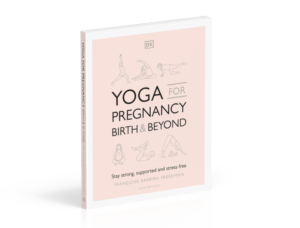
A new, updated edition of the book "Yoga for Pregnancy, Birth and Beyond" by Francoise Freedman will be coming out in December. This book gives Read more
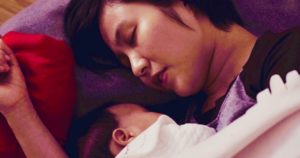
Relaxing jointly with your baby triples benefits. You relax, (s)he relaxes,the two of you relax together. Relaxation is an essential part of all yogapractice: it Read more
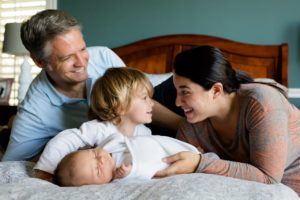
The first episode of the ‘Bringing up Britain’ programme (Radio 4 Episode 13 October2020 ) explored various facets of the relentless micro-management and monitoring that Read more
Liz Doherty Birthlight Pioneer As co-grandmothers, Liz and I started our conversation talking about our grandchildren. Liz has three, from baby to pre-school age. She Read more
zoom course
With the world’s health jeopardised by the twin threats of Covid-19 and the climate crisis, the range of how we deliver our teaching and training Read more
Kicki Hansard, author, educator, mother and founder of BirthBliss Academy (www.birthblissacademy.com) grew up in Swedish Lapland - the land of the Northern Lights and the Read more


Jiggles & cuddles help babies grow

Cuddles, not just touch

Baby Yoga is an ideal practice for creating the balance between stimulation and calm that helps babies grow. Finding this balance is of supreme importance during the time of COVID, as we go out less on shorter and rainy days. Our home environments are often, without us realising it, full of overpowering stimuli for infants. Each baby is unique. Jiggles that make some four months old babies ecstatic might cause distress to others. Like all of us, babies have off days when they crave for quiet and cuddles. Babies need both cuddles and jiggles and baby yoga can help with the challenge of finding balance.

Cuddles, not just touch…
Cuddles meet a deep human need. For Sharp et al (2015) ‘evidence from neurophysiology and functional neuro-imaging has given rise to the hypothesis that social, affective touch belongs to a distinct category of tactile experience’. They found that high-risk babies developed normally if their mothers gave them many cuddles and caresses during early infancy.

Outside the context of a friendly, multi-sensory interaction, babies may find massage stressful. Newborns stroked in silence, without eye contact and gentle movements, were shown to experience a surge rather than a drop of their cortisol levels (White-Traut et al, 2009). In a series of experiments, researchers found that infants experienced slower heart rates, reduced body movement, and reduced crying when they were held by an adult who was walking from place to place (Esposito et al 2013).

Jiggles start with small steps

Jiggles start with small steps
Kinaesthetic awareness -the feeling of the body in motion- and proprioception -the perception of the position and movement of the body in space-, are crucial to babies’ experience of safety and security, both physical and emotional. The neuroscientist Carla Hannaford was ahead of her time in highlighting the importance of movement for learning: ‘all learning in the first fifteen months of life is centred on the vestibular system development” (2005). Birthlight Baby Yoga sequences are designed to provide safe and age-appropriate jiggles that delight babies.

The power of parental sensitivity and responsiveness – the ability to “read” babies’ cues and give them what they need in a timely way, is key to finding the balance between cuddles and jiggles. Because this is no longer part of our global western culture of parenting, practice is needed for helping new parents to quickly acquire responsiveness. In Baby Yoga classes, face to face or online, parents can learn to observe their babies interactively and gain greater awareness of mindful stimulation. Is it time for jiggles? Try small movements first before trying high throws. When babies receive unwanted stimulation, their cortisol levels rise (Feldman et al 2010). When they are held upside down or jiggled just at the right time and in the right amount for them individually, the world becomes a happy place.


Esposito G, Yoshida S, Ohnishi R, Tsuneoka Y, Rostagno Mdel C, Yokota S, Okabe S, Kamiya K, Hoshino M, Shimizu M, Venuti P, Kikusui T, Kato T, Kuroda KO. 2013. Infant calming responses during maternal carrying in humans and mice. Current Biology 23(9):739-45.

Feldman R, Singer M, and Zagoory O. 2010. Touch attenuates infants’ physiological reactivity to stress. Dev Sci. 13(2):271-8.

Hannaford, Carla. 2005 (1995). Why Learning is not All in your Head. Second edition ebook.

Sharp H, Hill J, Hellier J, N.S. Pickles A. 2015. Maternal antenatal anxiety, postnatal stroking and emotional problems in children: outcomes predicted from pre- and postnatal programming hypotheses. Psychol Med. 28:1-15.

White-Traut, R. et al. 2009. Salivary cortisol and behavioral state responses of healthy newborn infants to tactile-only and multisensory interventions. Journal of Obstetric, Gynecologic, and Neonatal Nursing: Jognn / Naacog. 38: 22-34

Spot interview with Dr Stella Acquarone, founder of the Parent-Infant Centre www.infantmentalhealth.com.

Stella Acquarone’s pioneering work with parents and infants is relevant to all that we do in Birthlight, but most particularly to Baby Massage/Baby Yoga teachers and Infant Aquatics teachers. Some Birthlight members may remember her inspiring presentation about early signs of autism at our 2012 Womb to World conference.


Stella’s focus is on awareness, to promote better early identification and intervention. After working as a child psychotherapist in the NHS for 32 years, she left to offer parents help based on her insights about the neglected importance of early detection. Rather than going too quickly with therapeutic approaches, she began from her realisation that parents were identifying unusual children: unsmiling ones, fearful ones, those who didn’t want to be picked up’. Stella’s special expertise is in the early signs of autism, before pathology develops and recovery is impeded. Her point that ‘The issue is the potential, not the harmful’, encapsulates her approach: “In my view, you must first create the foundations which will allow a treatment regime to work and be able to feel emotions.” “We need to help those children diagnosed as “pre-autistic” structure their minds to allow cognitive and emotional development to occur”.

Stella’s special expertise is in the early signs of autism,
before pathology develops and recovery is impeded

Stella sees Colwyn Trevarthen’s famous quotation “the baby is a passionate communicator” as central to what she does (many will remember his talks at Birthlight conferences over the last 14 years). She talks passionately about newborns’ eagerness to find links between the verbal – their experience in the womb-, and the visual after birth. Babies are trying to know the people who take care of them, they want to put voices together with faces, they are ‘eager to encounter’.

Sometimes, however, communication is not easy. This can be due to perinatal difficulties, previus trauma or autistic aspects of mothers who, as Stella puts it, cannot feel “embedded” with another person, cannot sympathise with their babies even though they may be highly sensitive and highly functional people. At times it’s about the ability to respect the behaviour of babies that may turn out to be pre-autistic. ‘Sometimes, babies are difficult to read. Mothers are always supposed to know how to help their babies, but sometimes there is no immediate clear solution. We just have to sit with it and observe’. Rather than identifying with the problem, Stella’s approach privileges understanding what underlies babies’ behaviour, talking about it and identifying aspects of behaviour that support co-regulation. In her warm way of speaking and being (she is from Argentina) Stella comments on how “mothers think they should know everything, but actually, there is nothing that they should know, they just need to have the peace of mind needed to watch their babies.”

The London Parent-Infant Centre is associated with IPAN, the International pre-Autistic Network – which increases autism awareness, and promotes early identification and intervention. When asked how Birthlight teachers can benefit from her books, educational materials and research, Stella points to better observation of early signs of ‘not relating’.

When relational signs of connectedness – looks, imitation, production of sounds – are not evidenced in the early months, and the muscle tone of babies is either too floppy or too rigid, a greater attention to aspects of autism can be brought in. In many cases, at this early stage it is possible to help babies become ‘positive autistics’.

Stella’s wonderful work brings a refreshing trust in the wonderful capacities of the newborn and the great potential for parents (both mother and father) and child to fare better together through early trauma, and potentially associated depression. At a time when many babies in the world are born in war zones, or in prisons, or have been in intensive neonatal premature units, supporting parent-infant communication in practice is of supreme importance. In Stella’s words for presenting her visionary ‘Re-Start’ programme, “unlike mothers who recall the early years with their babies as a dance of understanding and development, other carers don’t recall hearing the music at all. They slog through the early years with only hope as a compass.”


Theories of autism have undergone many changes since it was originally defined by Kanner (1943) as an affective disorder caused by deficient parental interaction. Since then autism has been identified as a developmental impairment due to a variety of causes which may include genetic, neurological, infectious, metabolic, immunologic and environmental factors. These contribute to atypical brain development, which shapes children’s experience of intersubjectivity.

There is however now abundant research showing that innate capacities for sociability, self-regulation, thought and language are activated through intensely bi-directional emotional interactions with others. This activation typically takes place within critical periods, when help can be effective to foster the growth potential of the infant within the specific emotional climate of the family environment into which each baby is born.

Our conversation ended with a renewed realisation of the rejoinders between Stella’s approach and the important support that Birthlight teachers offer parents and babies in their communities through simple interactive practices. In the present Covid situation, promoting enjoyable communication and interaction in the early weeks, months and years is key for parents and children to continue growing together in a society that cares for them.

For those interested in developing greater awareness of early signs of autism, Stella is offering an unmissable INSTAGRAM LIVE on Friday 13th November at 8 pm. It is free. Enjoy!

You may be interested in related upcoming Birthlight courses like “Nurturing Baby Massage & Baby Yoga”, “Baby Yoga”, or “Aqua Nurture”.


​Dr Stella Acquarone
Child and Adult Psychotherapist
Principal
Parent Infant Clinic and The School Of Infant Mental Health (established 1990)
27 Frognal, London, NW3 6AR
Phone 020 74333112 * Twitter:  @infantmh * Facebook: https://www.facebook.com/parent.infant/
WWW: www.infantmentalhealth.com

Author of The Following Books, (available from their website www.infantmentalhealth.com):*Infant Parent Psychotherapy: A Handbook.  Published by Karnac*Signs of Autism In Infants: Recognition and Early Intervention. Published by Karnac*Helping the Professionals Working With Under 5’s (Spanish) published by Lumen*Changing Destinies: The Re:Start Infant Family Programme For Early Autistic Behaviours, March 2016, Published by Karnac*Surviving The Early Years: The Importance Of Early Intervention With Babies At Risk, August  2016, Published by Karnac

Francoise Freedman, founder and director of Birthlight, will be a keynote speaker at the upcoming “Birthing the New Humanity” conference. The organisers say …

At this time of change and global uncertainty something new is being born within our global family! This positive movement for change: We call it Birthing The New Humanity.

We all desire to be healthy, well, creative, intelligent, gifted, successful, loved, loving and empathetic… And more!

But we are not the way we are by chance, it’s not our genes that determine us. The way we were conceived, the months spent in our mother’s womb, our birth and infancy is the time our body and organs are formed and we “download” subconscious programming that determines how we perceive ourselves and our environment. These programmes then run our lives, unless we change them! Can we change them? Yes we can, we all have the “Power to Create.”

Birthing The New Humanity – The Power to Create is a global online gathering and conference bringing together thought-leaders, professionals, policy makers, educators, parents, youth and change-makers to share, learn, discuss, and explore how we can use our Power to Create (and Procreate) to Birth the New (Thriving) Human Family.

We invite you to join us to learn, share, connect with our global family and become a part of the solution to today’s challenges.Find out how to register here: https://birthingthenewhumanity.com

There will be speakers, exhibitions, breakout meetings, a virtual café, networking and more! Join us as we celebrate our Power to Create!

‘Don’t you miss that ‘sleep’ at the end of class!?’ Vicky was asking the other mums about Yoga Nidra at the end of the Pregnancy Yoga session when she arrived for her first Baby Massage and Yoga session with young Oliver. She soon realised that indulging in such deep relaxation quickly and easily would rarely be achieved with a baby on board. 

’20 minutes deep relaxation is the equivalent of 3 hours sleep’

Anyone who has practised authentic Yoga Nidra in traditional Shavasana or Corpse pose will undoubtedly commend the experience. The decrease in blood flow to the analytical activity centres in the brain coupled with increased dopamine flow plus the subtle changes in brain waves, the resulting benefits include reducing psychological stress, modulating the immune function, and successfully treating PTSD. 
 
It is a beautiful yet rare occasion when a mother can enjoy Yoga Nidra in Shavasana with her baby. But adapted postures alongside baby are equally valuable: side-lying, sitting, or standing and swaying are the most common positions for practising relaxation for the pair, while Birthlight circles create the environment for calm connections. And those who care for babies will find that they can more readily transfer the skill of releasing tension ‘off the mat’ if they attend a Birthlight class regularly. Whether waiting at the checkout with a hungry baby or dealing with a tired toddler in the cereal aisle, the Yoga-based tools from the Birthlight repertoire can be a lifesaver for remaining calm and dealing with everyday stressful situations. 

Even the most experienced Yoga Teacher can find it a challenge to deliver the relaxation session to parents with children from birth to 3 years. Nurturing Baby Massage, Baby Yoga and Toddler Yoga teachers who have entered the discipline from the child development route often enjoy the advantage of understanding how to calm the infant. Whatever the prior experience of the Birthlight teacher, it will help to have a creative approach and a range of tools up your sleeve. Birthlight teachers are well aware of the symbiotic nature of the dyadic relationship. We know that whether baby-led or parent-led, it is the dyadic relationship, the united internal rhythms of the pair, that will reap the rewards. 

The challenges of parenthood:

lack of sleep, financial stress, the turning upside down of your life when your adorable new-born arrives – nothing prepares you. (Let’s not forget the joy and wonderment that underpins everything.) Now there is the additional impact of ‘lockdown’ and social isolation. Birthlight has a range of simple techniques to produce the relaxation or ‘rest and repose’ effect, ranging from instant muscle relaxation to instant techniques to calm the vagus nerve. These practices reduce tension and anxiety and alleviate stress for both parent and baby. 

In 1977 my life
changed when a
Yoga Nidra
experience sparked
a deep connection
within me.

– Marion o’conor,
Birthlight tutor

 
In 1977 my life changed when a Yoga Nidra experience sparked a connection deep within me. Over 40 years later the science is still catching up to the secrets of Yoga relaxation practices. Whether we follow the popular Polyvagal Theory and how it parallels the Gunas, or read research on electroencephalography (EEG) which measures the changing brain waves, we now have an insight into the physiology of what’s happening when we apply simple practices. Scientifically they can be referred to as top-down or bottom-up, but as teachers we can label them as making a wish, setting an intention or humming the beehive or a sonic massage version of Twinkle Twinkle Little Star. We teach and it works!

If you’d like to be signposted to the evidence-based theories, share parent-baby calming techniques and equip yourself with some easy ways to give your families the relaxation experience, please sign up to our CPD on Relaxation. Check it out!

A new, updated edition of the book “Yoga for Pregnancy, Birth and Beyond” by Francoise Freedman will be coming out in December.

This book gives you step-by-step yoga postures specially adapted for each trimester, and relaxation techniques and simple breathing exercises will show you how to adjust to the physical demands of labour and give birth with confidence. Pre-order your copy now at https://www.amazon.co.uk/Yoga-Pregnancy-Birth-Beyond-Stress-free/dp/0241400015/

Relaxing jointly with your baby triples benefits. You relax, (s)he relaxes,
the two of you relax together. Relaxation is an essential part of all yoga
practice: it integrates breath and movement and enlivens the subtle energies
of the body. It is a skill that your baby acquires for life, at a time when her
nervous system is at its most receptive. The earlier you start relaxing with your
newborn baby, the easier it is to experience the benefits of joint relaxation and
the more profound these benefits can be.

Start with awareness, add mindfulness: you are doing yoga. Like anything in yoga, relaxation is all to do with regular practice and its cumulative effects that ancient sages in India have documented a very long time agoDon’t think that you are going to wave a magic wand to make your baby relax. You, the parent, are going to take the lead, first as an observer and then as a doer. But all the steps are easy, enjoyable and rewarding. Worth trying?

Your baby relaxes, so you relax…

First, watch how your baby relaxes naturally. All babies do… After a bath or a satisfying feed, you feel him getting warm in your arms. His breathing becomes more even, all tension is gradually released from his little body as he surrenders to sleep. Stay with the sensations of this transition state. You are connected. Take a moment to feel how your baby’s letting go makes you feel. Most other things can wait. Your self-awareness opens a space of ‘joint relaxation’. If you have tried ‘skin to skin’ with your newborn, you already know that this is a space of coherence and attunement. A physical space of non-doing and togetherness that helps babies grow and parents to recharge their batteries.

After you have familiarised yourself enough with the experience of watching/feeling your baby relax – it may take a few days or a couple of weeks, not more – the art of joint relaxation is there for you to make this happen at any time. But how?

You relax, so your baby relaxes…

Surely you have already noticed that when you are calm, your baby is easier to care for.
She responds directly to your mood and your state of being. Calmness does not last
long as babies cry loud and fret when they get tired, hungry, needy, angry too if misunderstood. Their crying is designed to to get you to respond to them in a state of high alert. Nerves get fraught. The idea of a nice yoga relaxation lying down on a mat could
not seem further away from the now. But there are other ways of relaxing. At Birthlight, we recommend starting with simple Instant Relaxation practices that are easy to do for any parents while caring for newborns.

Here are three body-based practices you can try:
For each of them, you need to have physical contact with your baby even if it’s just placing one hand on their body. You can be in any position.

Start with awareness, add mindfulness: you are doing yoga …

  1. Close your eyes-open your eyes x 3 times, with breath awareness
    Close your eyes for a few seconds, making sure you are safe where you are. You go within, the world is out there, remote. Sounds become more perceptible. Your baby is here, close, quiet or crying. Open your eyes: you are back in the here and now. It’s demanding, but do not do anything. Close your eyes again. Go deeper within. The world is all around you. It feels more familiar. Open your eyes once more. You are definitely here and so is your baby.
    As you close your eyes for a third time, you go within, but it does not feel so far away. And when you open your eyes again, you feel a strange but pleasant balance between going inwards and being out there in the world with your baby. In between closing and opening your eyes, you have experienced relaxation. Check how you feel after repeating this practice a few times and check how your baby responds over time. Check how your breath has changed without you doing anything to change it.
  2. Walking-breathing-relaxation with babies
    Most babies love rhythms and most non-Western people use rhythms more than we do in baby care. In this practice we combine simple walking steps and breathing awareness to relax while carrying a baby in arms or in a sling. Indoors or outdoors, only a small space is needed. Inhale over 2 steps forward, exhale over 2 steps backwards. Find your rhythm, slow, medium, faster, following your baby’s response and your inclination. It’s a walking dance. Stand still and breathe for a couple of breath cycles, then start again. Perhaps try 3 steps forwards and 3 steps backwards, if you don’t get out of breath. Stop, breathe, start again. You have created a space of joint relaxation through shared rhythm, synchrony.
  3. Feeding relaxation
    Baby feeding takes a lot of time through days and nights. Even in the early weeks, when feeding can be challenging in all sorts of ways for both mother and baby, instant relaxation can make a difference. As you prepare to feed your baby, exhale with a long haahhh. Then twice more. After 3 long voiced haahh exhalations, you have accessed your parasympathetic nervous system and all the benefits of the calmness mode. Oxytocin, the hormone that facilitates the ‘let down’ reflex for the milk to start flowing through breasts, is released in your bloodstream. With shoulders dropped, lower jaw relaxed, you are ready not just to nurture your baby as you feed him but to receive nurture from the process. Dads and bottle-feeding mums also release oxytocin by doing this instant relaxation. Oxytocin keeps woes and worries at bay for a moment of interactive nurture. Over time, these precious moments become a way of being, creating an even keel through the inevitable ups and downs of baby care.

Beyond exasperation and exhaustion, joint relaxation with babies helps us access the deeper levels of feeling that lie under the fluctuations of day to day emotions and energy. When we access deep rest, it is easier to also access a space of acceptance and unconditional love. Nurture and self-nurture are blended into one. Joint relaxation with babies is a treat, the best kept secret of early parenting.

If you are interested in learning more about this please consider our training course, Yoga Relaxation Techniques for Parent & Baby

The first episode of the ‘Bringing up Britain’ programme (Radio 4 Episode 13 October2020 ) explored various facets of the relentless micro-management and monitoring that are now part and parcel of being a parent. The Helicopter style of parenting, constantly hovering over babies and children, responds to a desire to protect, but also to compete successfully in the world. This is in stark contrast with villages of the kind studied by anthropologists, where mothers are nearly never alone in raising their babies and nurture is the main concern of early parenting.

Styles

In countries like the UK where children are tested early and intensively, over-parenting is a rational choice in economic terms. So called Tiger Parents are often criticised for neglecting emotional intelligence at the cost of high level performance, but finding the balance between caring to achieve and anxiety is a general challenge in the global current culture of parenting. Alison Gopnik’s inspiring comparison between the Carpenter and the Gardener’s styles of parenting1 brought a breath of fresh air in the programme.

Rather than doing all the right things with the expectations of right outcomes, she reminded listeners that ‘being in the moment’ with babies and small children is probably the most important task of parenting. As one of her famous quotes goes: “Our job is not to shape our children’s minds; it’s to let those minds explore all the possibilities that the world allows”. And another: “We can’t make children learn, but we can let them learn.”

“… babies respond to nurture … It
is now well known that gardening
helps gardeners to be well or to
recover wellbeing after exposure
to extreme stress … Birthlight’s
aim is to gently guide pregnant
couples and new parents to
rediscover the gestures of playful
nurturing”

fRANCOISE FREEDMAN – bIRTHLIGHT FOUNDER

Babies, however, do not learn in a void. Deprived of affective interaction that involves all their senses, they can even ‘fail to thrive’. Giving the daily actions of very early parenting a secure but playful and creative twist can wake up the Gardener soul in everyone. Gardening is about observing and responding to the plants’ needs, taking pleasure in discovering what helps them grow and bloom. This is very close to Birthlight’s use of Yoga to support early development.

Far from twisting little babies in knots, the idea is to watch them move and to accompany their drive to hold their heads, roll, sit, crawl, stand and walk with enjoyable moves. Babies most often lead the games that are played. Like all creatures, babies respond to ‘nurture’: they love being understood and cared for in ways that help them grow. It is now well known that gardening helps gardeners to be well or to recover wellbeing after exposure to extreme stress. Even the best of births demands stressful adaptations postnatally. Birthlight’s aim is to gently guide pregnant couples and new parents to rediscover the gestures of playful nurturing that are merely obfuscated by the controlling and goal-oriented culture of over-parenting. ‘Relaxed first holds’, comfortable positions for infant feeding, skin to skin parent-newborn joint relaxation, interactive home baths for newborns, walking-breathing-meditations with babies in baby carriers: any of these acts of nurture will trigger others in its wake. These gestures are in our human -even in our mammalian- bodies, reassuringly not far under the ‘do it right or else’ veneer that is in part layered by the multi-billion industry surrounding early parenting and baby care. Stripping the gadgets, a simple baby blanket is all that’s needed for three to five minutes long baby yoga routines, for instance while changing nappies. Integrating touch, visual stimulation, perhaps a song or rhythm with small movements can change moods, divide bits of days that babies memorise, create mutual delight. Is this over-parenting too? Or could it rather be its antidote? If ‘gardener’ parents give priority to creating a loving environment where their babies can feel secure to grow, they also unwittingly nurture themselves to have greater resilience in the face of the unpredictability that is also the lot of all parenting.

“It takes a village to raise a child”

Baby Yoga has never been more needed in Western households than now, at this time of restrictions in the free socialising of new parents with babies and small children due to the pandemic. As social interactions are more confined in homes, parents can only gain from re-learning in themselves the playfulness of their babies’ developmental movements. Recovering playful interaction can liberate ‘Carpenter’ parents from an overwhelming sense of responsibility to ‘get it right’. Just one moment or two without monitors or mobile phones through the day creates an availability to which babies can be extremely sensitive.

The resulting quality of interaction also opens a space of mindfulness and spiritual awareness that we may otherwise be too busy to notice and to share.

Watch for the Birthlight week by week Interactive Parent-Baby series on the Birthlight website and on the Birthlight Instagram. Coming soon!


1 Alison Gopnik, The Gardener and the Carpenter: What the New Science of Child Development Tells Us About the Relationship Between Parents and Children 2016. Farrar, Straus and Giroux publishers.

Liz Doherty

Birthlight Pioneer

As co-grandmothers, Liz and I started our conversation talking about our grandchildren. Liz has three, from baby to pre-school age. She has been very much involved in her two daughters’ pregnancies and with the babies from birth onwards. She looks after them two days a week and is now about to resume swimming with them. Interweaving professional and personal dimensions of life with a fresh, hands on approach, is very much part of who Liz is.

Looking for avenues to a more holistic healthcare after training and working as a nurse and midwife in the NHS in Northern Ireland, Liz trained in reflexology and massage. It was inevitable that Liz would want to turn to baby massage. As part of her midwifery, in her neonatal paediatric training in Glasgow in 1975, she had loved working with premature and small babies with compassionate care: “When I think back to this time, to the still frequent neonatal deaths, how precious these little babies were!” But professionally massaging babies did not sit well with Liz, who has always seen parents as the experts with their babies “it was not my place to massage babies”. The IAIM training (International Association of Infant Massage) corresponded better to her views about teaching parents. In 2003, Liz followed on from Baby Massage with Birthlight Baby Yoga, supported by the founder of IAIM. She describes ‘falling in love’ with the integrated practices she could ‘see-feel’ in action in our then multiple simultaneous residential trainings at Riddlesworth Hall.

In a very “Liz” decisive way, she embraced our land-water ‘primal continuum’ fully, completing both land-based and aquatic courses and setting out to become a Birthlight training tutor.

FRANCOISE FREEDMAN DESCRIBING birthlight PIONEER LIZ DOHERTY

Coming from a midwifery background, Liz saw the potential of Birthlight yoga as a set of practices that could be imparted by maternity professionals within their profession (not as ‘yoga teachers’) to ALL women, from all levels of fitness, backgrounds and walks of life, to enhance maternity care. She the first pregnancy yoga training for midwives in Strabane with emotion. With the Birthlight motto that ‘there is always a way’, Chair Yoga for Maternity was pioneered in 2005.

Liz’s daughter Joanne recently experienced the continuity of some of the moves in the prenatal hospital classes she attended, but sadly there was no longer time for the long relaxations that singled out our practice earlier on.

Liz sees the support and relaxation that can be offered through pregnancy yoga as most needed by today’s pregnant women and new families as work pressure on young women has intensified: “women need so much support in the world. It’s when they are pregnant that they realise this. What I like about the birthlight yoga is that we can help everybody. Yoga is about SHARING”. “If I were to start again from scratch, I would go for pregnancy yoga and aquanatal yoga, to support the beginnings”.

But then, she hesitates, thinking of her love of sharing the Birthlight approach to baby baths and baby swimming “I loved all the work, the massage with the tiny babies, Baby Yoga, but my heart would lead me to early introduction of babies to water.”

As a Birthlight …

….training tutor, Liz ventured to other parts of the world. Her teaching in Russia led her to overcome obstacles in local attitudes of doing physical exercise with babies. Soon Liz’s groups took to the parent-baby gentle interactive moves of Birthlight baby yoga, and the word spread. Photos speak for themselves. Yet Liz gives all credit to Anna Shkulanova, our course organiser in Moscow, for setting a tone of nurture and friendship that supported the trainings at the BrightFamily-Birthlight centre even within a crowded space. For Liz, making friends at all levels, with parents, teachers and other tutors in the countries where she went is a highlight in her tutoring years. “We still communicate. After welcoming us with caution, they opened arms. Parenting was embraced at all levels and lives were transformed, women like Anna and Judy (Kou) left high-power jobs to work with us”.

What about Covid? ‘lockdown babies’ are finding it hard to leave their parents after the lockdown. 4 important months of development have been shaped by lockdown, babies missed out by not going out and mixing with babies at the same stage’. Liz offered a few ‘little classes’ by Zoom to family and friends during the lockdown. She did not enjoy the Zoom sessions (“I am a tactile person”) but ‘they were loving it’. After classes, her niece opened a Zoom coffee meeting for the women in the class and it got them through those three months’. The challenge was not to be able to see exactly what was happening, and some women withdrew when their babies cried during joint relaxation. This would not happen in a face to face class, “I felt quite sad about that”. As Liz expressed her compassion, I remember her often offering the reminder that “it’ll pass…”.

Liz clearly benefits

… those close to her with her hands-on teaching in retirement. “I love my professional practice, I miss it”. We all miss her too. Yet she conveys to the young parents in her circle, ‘the clever parents who google everything’, a wisdom that has benefitted so many of her Birthlight students: ‘let go of what you think should be done’; ‘reviewing ideas’ is always possible. ‘Every day is a learning day’; ‘Parents know best’.

We ended our chat with the memory of the legacy training weekend that Liz generously organised in beautiful Donegal for the benefit of other Birthlight tutors before she retired. Liz has touched so many hearts. When she joined Birthlight she was drawn to a hands-on support of parenting that could be adapted to everyone. The ‘circles of friendship’ that she has created all over the world are a precious legacy, true to Birthlight’s vision.

~ Interview with Françoise (October 2020)

zoom course

With the world’s health jeopardised by the twin threats of Covid-19 and the climate crisis, the range of how we deliver our teaching and training has to be expanded if we are to reach families and teachers effectively. 

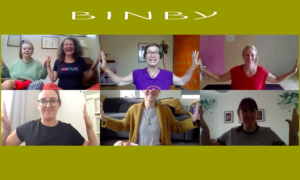
Lockdown revealed a spectrum of approaches to online teaching; from the clammer of the confident to the reluctance of the reticent and everything in between. When Birthlight asked me to create a new blended training using the Learning Management System (LMS) I was daunted, to say the least. Blended training combines live online interaction with a supportive learning resources platform. The bonus is that the platform conveniently houses articles, video clips, photos, resources and quizzes for tutors to keep a track of student progress.
I was excited because this was a perfect opportunity to translate BINBY, the new Birthlight Integrated Nurturing Baby Massage and Baby Yoga, training into a new blended format. Encompassing two traditional qualifications of baby massage and baby yoga plus the parent postures, it is an intense training, but being able to space out the meetings and offer online support to guide the teachers through the process is another benefit of blended delivery.

We are all adjusting…..

We are all adjusting to new ways of working together. Feedback from my private classes has revealed hidden gems to online learning. My pregnant mothers enjoy meeting others online while practising in the comfort and safety of their own home, providing an especially nurturing atmosphere during the end-of-session ‘baby—bump bonding’ deep relaxation. 
Conversely parents with babies are primed to socialise in person and are eager to get out and meet up with other families, yet in these exceptional circumstances they accept and celebrate the bonding opportunities forged with their baby through practising the Integrated Baby Massage and Baby Yoga practices in familiar surroundings. Feedback received is invaluable in enhancing the Birthlight experience for our families, as are the constructive evaluations from the lovely participants on the training courses.

When signing up for a blended course it is easy to be deterred by the idea of the technology, unfamiliar learning platform and potential lack of personal connection. Fortunately for us we have the Birthlight tech wizard, Jeff, on hand to explain the technology and smooth out any unforeseen issues.

‘Interactive and very informative – all from the comfort & safety of your own home!’

Jenna briggs – course participant

The training arm of Birthlight.com opens up opportunities to a wider range of new teachers; the online factor makes it easier to synchronise with work and personal commitments that time away would make an impossibility.  There is a bonus effect on the environment. It may seem obvious but training from home reduces carbon footprint. The recent BINBY training reduced environmental impact by obviating the need for four international flights and over 80 hours of travel time.  Without impinging on the quality of teaching, less money is spent on travel and accommodation.

Just as ‘Yoga is a balance’ (1), the new style blended training contains the facets to deliver a neat balance between content, theory, practice and demonstration.  Other elements essential in achieving a yogic balance are the incorporation of mini-strain-release yoga and sufficient and timely screen breaks. 

Welcoming ‘visiting babies’ is an invaluable experience for trainee teachers, and we can readily invite families to participate from the Covid-safe space of their own home. The new teachers can enjoy the double whammy of practising with ‘real’ families, while seeing how Zoom classes work. Who knows how long online teaching will continue to be a reality?

Essentially the BINBY training and all Birthlight training is about meeting needs. Birthlight is taking the opportunity to push forward and progress as an organisation, evolving new ways of addressing the needs to nurture the well-being of women, babies and new parents.


The next blended BINBY training will be in January 2020.

https://birthlight.com/product/integrated-nurturing-baby-massage-baby-yoga-training/
Birthlight Integrated Nurturing Baby Massage and Baby Yoga developed by Marion O’Connor

(1) Bhagavad Gita Chapter 6 Verse 16


Kicki Hansard, author, educator, mother and founder of BirthBliss Academy (www.birthblissacademy.com) grew up in Swedish Lapland – the land of the Northern Lights and the midnight sun – on the shores of a lake, surrounded by deep forests. She trained as a doula in 2002 with BOND which was run by Cassandra Clemence and Ingrid Lewis, two Birthlight teachers.


The two traits that she learned from this environment was patience and acceptance of any situation as it is.  Winters lasting for 8 months with temperatures below -25 degrees Celsius, with no more than four hours of daylight shapes you as a person and builds stamina and resilience.  These are skills that Kicki cherish and uses in all areas of her life. Kicki strives to inspire others and she is known for her positive and optimistic outlook on life.  Her passion is to support and encourage those around her to claim their own power by making informed choices and owning their experiences through the different phases of life. 

Kicki has various ties with Birthlight. She has been a speaker at one of our Womb to World conferences and Birthlight teachers have benefitted from her special guest workshops. In 2014, Kicki trained the very first doulas in Shanghai in association with Birthlight to complement our Perinatal Yoga training course, starting the doula movement in China. Kicki’s philosophy is close to Birthlight’s:

I prepare women and couples for birth and parenthood in a non-prescriptive way so that they can make strong choices based on research as well as their intuition!”

Kicki Hansard

On 2nd September, Kicki has been motivated to launch a campaign to safeguard women’s and couples’ ability to make choices about their babies’ births. As everything Kicki does, this campaign is as sensible as it is inspiring. I felt motivated to call Kicki and to share her call with all Birthlight members. We just cannot be silent at this crucial time when women’s maternity rights are in jeopardy.

When the first lockdown restrictions were put in place, we all agreed to them wholeheartedly to support the NHS and, as Kicki puts it, ‘for the sake of the planet’. When the 5th June guidelines were issued for maternity care, some restrictions were lifted but the lack of consistency in implementing them across NHS trusts created a lot of confusion and anxiety. Doulas’ admission was truly unpredictable while partners continued to have to sit in hospital car parks waiting for the news of fully established labour to reach them, often too late. The rationale for measures presented as protecting staff and patients is getting increasingly obscure given the lift of restrictions in other settings. How is risk evaluated? Transparency and accountability are empty words: How and Why are legitimate questions.

Birth Choices Scotland’s recent campaign was instrumental in the Covid19 Phase 3 Scotland’s Route Map (9th July 2020). The full range of birth options will be available across Health Boards, including home birth, from 31 July. This includes the option of two birth partners.

In the rest of the UK, there is a risk that closures and restrictions might become ‘the new normal’. We simply cannot let this happen. There is so much research about the importance of reducing maternal anxiety, promoting a secure parent-baby bond and having a fulfilling birth experience. Women’s resilience cannot be used to erase hard won maternity rights.

Taking the pacific route and appealing to compassion as well as reason, Kicki’s campaign urges us all to make calls or put pen to paper to ‘tell’ our local MPs why maternity choices should be safeguarded at all costs rather than targeted for cuts.

Pressure can achieve results. We just need to keep going, Kicki says, we can win this tortoise and hare mad race.

  • So currently you can go to the pub but your partner cannot come to antenatal appointments or scans,
  • You can travel abroad with your family but you have to go into maternity alone for an induction of Labour
  • You can have a social bubble but can’t have who you want in your birth bubble
  • You can work in the hospital while pregnant but you can’t have who you want with you during the birth of your baby

If PPE works, why do we have all these restrictions?

Whilst valid at the start of the pandemic, these restrictions are now unnecessary and adversely affecting the health and well-being of parents and their babies. There are countless stories emerging about increases in traumatic births, stillbirths, women birthing alone. And yet as many organisations, MVPs and members of the public fight for change, they are not being heard.

#Enough We need to take action before these restrictions become the new normal.

Join Our Petition

Read our open letter to Professor Whitty and Matt Hancock & sign our petition (blue button below).


Further Resources

AIMS website 
https://www.aims.org.uk/information/item/coronavirus

Birthrights website 
https://www.birthrights.org.uk/covid-19/ 

Birthrights Campaign
https://www.birthrights.org.uk/2020/08/20/birthrights-calls-for-easing-of-visiting-restrictions-in-maternity-services